2013 — 2016
Traditional Craft
Ready for Disruption
Inventing the first fully automated 3D-printed custom orthotic pipeline — smartphone photo to finished product, zero human intervention.
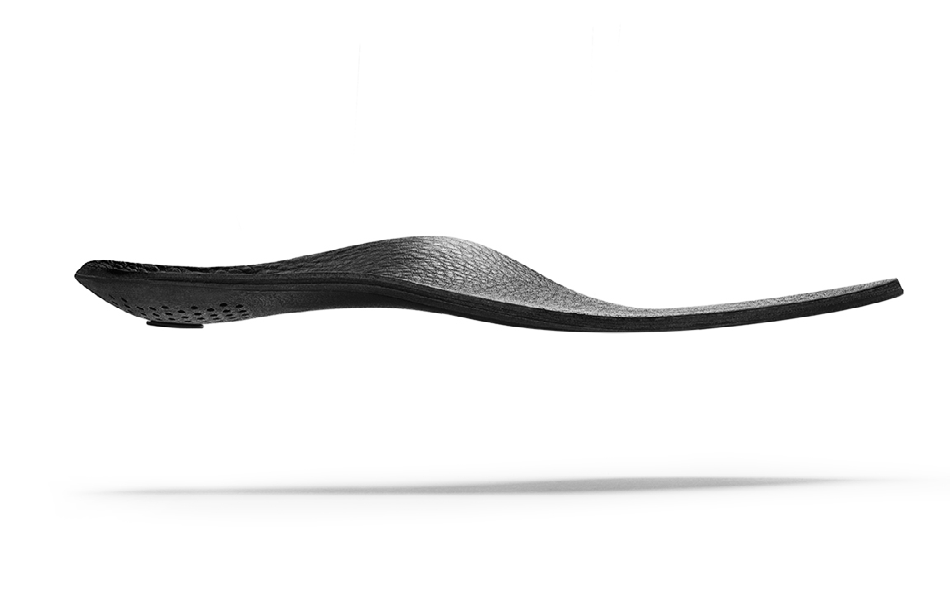
Inventing the first fully automated 3D-printed custom orthotic pipeline — smartphone photo to finished product, zero human intervention.
Traditional custom orthotics cost $500 or more, required weeks of waiting, and depended entirely on the specialist in the room. The process was slow, expensive, and inaccessible to the vast majority of people suffering from foot pain. Off-the-shelf insoles left a gap that technology hadn't yet filled.
The question at SOLS: could we automate the entire pipeline — from a smartphone photo to a finished custom product — with zero human intervention? Could we turn a bespoke craft into a scalable system?
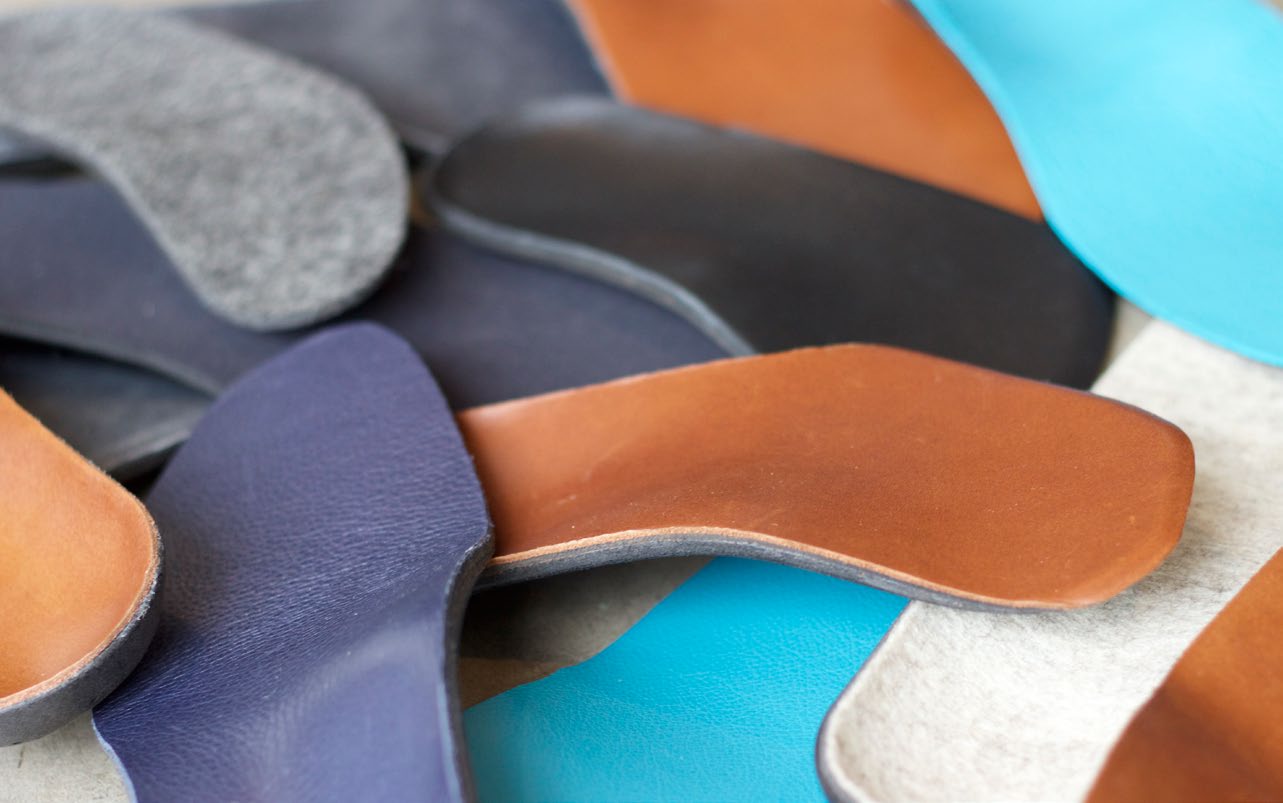
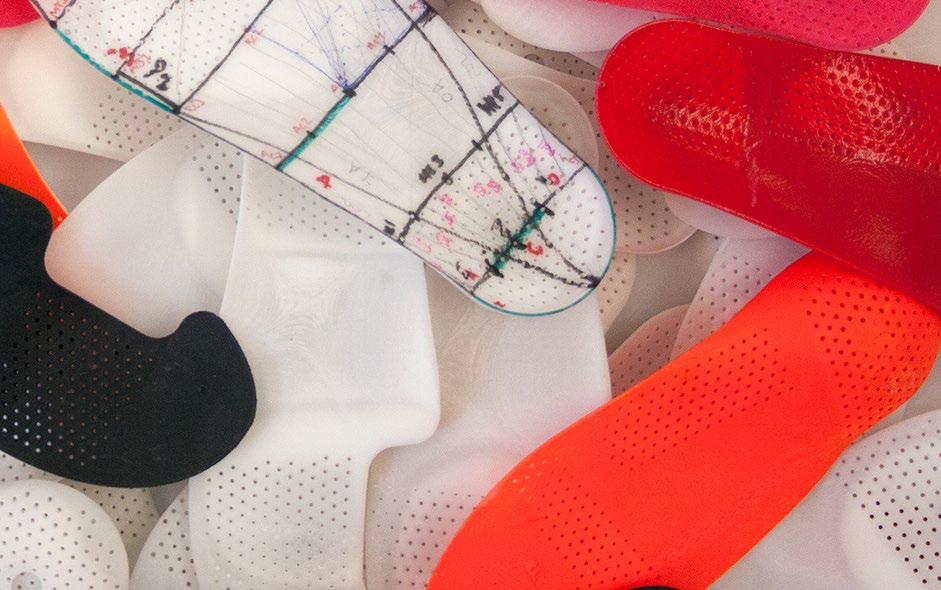
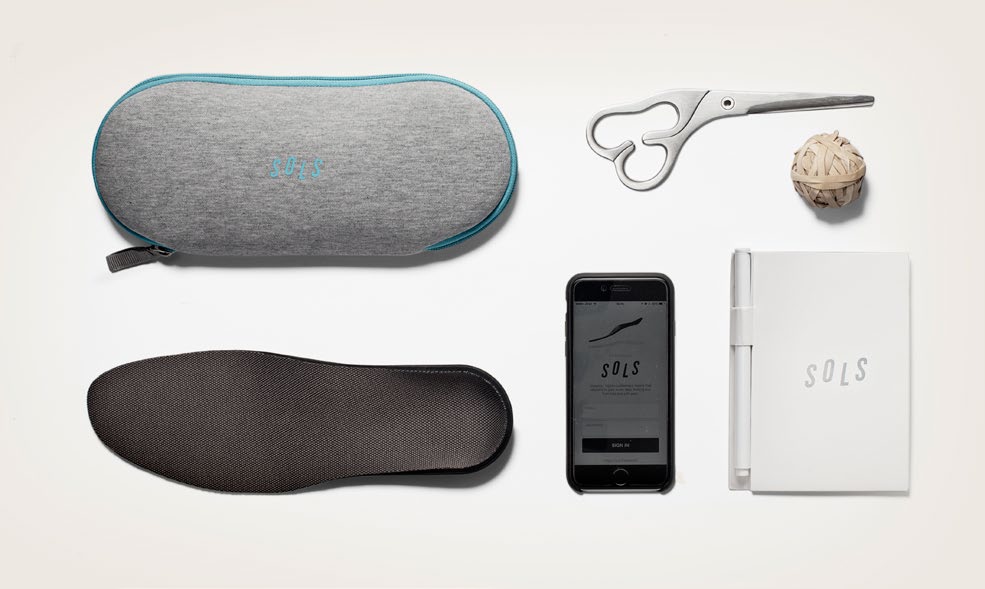
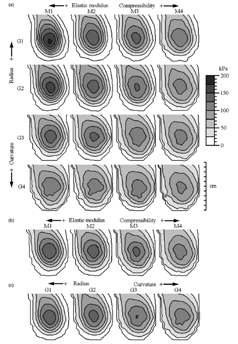
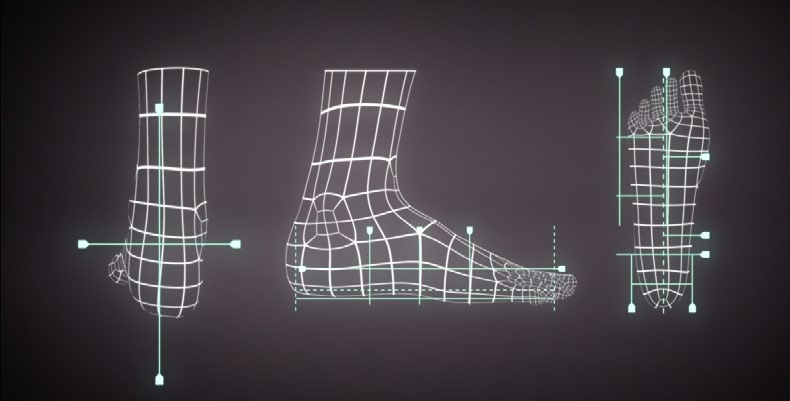
Key insight: A great physical product is really a data problem. By capturing biomechanical requirements as structured data — not as a craftsman's intuition — we could automate what had always been a manual art. The orthotic was the output; the algorithm was the product.
SOLS shipped mass-customizable orthotics that improved patient comfort and clinical accessibility. The automated pipeline proved that with the right data structure, even complex biomechanical products could scale beyond specialist craft. SOLS was acquired by Aetrex, one of the leading orthopedic footwear companies in the world.
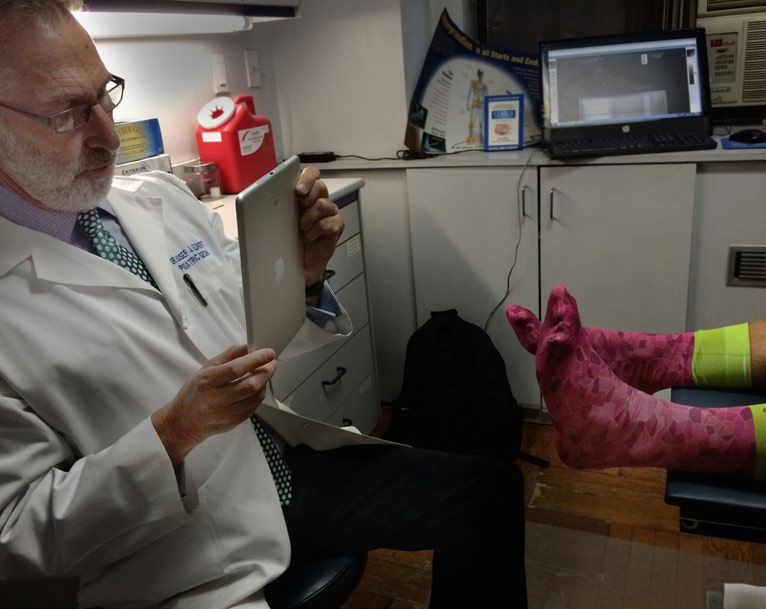
Podiatrist uses iOS app to photograph the patient's foot and enter a structured digital prescription — no plaster casting, no lab shipping.
Algorithms process anatomical measurements and prescription data, automatically generating a patient-specific 3D CAD model. Zero human intervention.
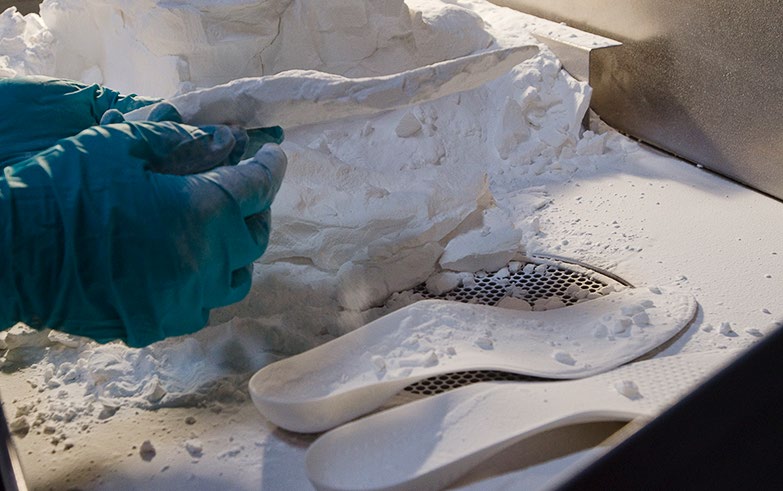
Nylon 11 SLS 3D printing produces the finished orthotic at manufacturing scale — the same geometry every time, to micrometer precision.
The SOLS pipeline established a model that I've applied at every company since: capture human body data as structured input, run it through automated design logic, and produce a custom physical output at scale. Body Labs commercialized this with body shape models. Nike applied it to sizing and fit across a $50B product line.
The insight is transferable: any physical product that currently relies on expert intuition can be systematized if you're willing to build the data layer first.
I help teams apply body data and advanced manufacturing to create better physical products — from biomechanical footwear to apparel fit to medical devices.